

Protecting a vast wilderness landscape on Cape York Peninsula
Kendall River Station
Stretching across 274,000 hectares on Cape York Peninsula, Kendall River Station protects a vast and highly intact tropical landscape of national and global conservation significance. Its rivers, wetlands, woodlands and savannas support rich biodiversity while contributing to connectivity across a growing network of Aboriginal-owned and managed conservation areas in northern Australia.
Cape York Peninsula is internationally recognised for its outstanding natural and cultural values and has been proposed for World Heritage listing. Located within the Archer and Holroyd River catchments, Kendall River Station is recognised as a high-priority conservation asset within Queensland's strategic conservation planning. The property sits within Country where Traditional Owners maintain enduring cultural connections to land and water, creating opportunities to strengthen Indigenous stewardship while conserving an exceptional landscape for future generations.

Protecting nationally significant wetlands and intact ecosystems
Kendall River contains exceptional biodiversity values across a vast and largely undisturbed landscape. The property is mapped almost entirely as remnant native vegetation and contains extensive wetland systems that form part of two nationally important wetland aggregations recognised in the Directory of Important Wetlands in Australia.
More than 145,000 hectares of the property occur within the Northern Holroyd Plain Aggregation, while additional areas form part of the Archer River Aggregation. These wetlands provide habitat for migratory birds, aquatic species and other freshwater-dependent wildlife, supporting the health and resilience of ecosystems across Cape York Peninsula.
A critical opportunity for conservation at scale
Cape York Peninsula is recognised globally for its ecological importance, yet many areas remain under-protected and comparatively under-studied. Conservation of Kendall River Station helps address this gap, safeguarding habitats within one of Australia's most significant natural regions while creating opportunities for future biodiversity surveys and scientific research.
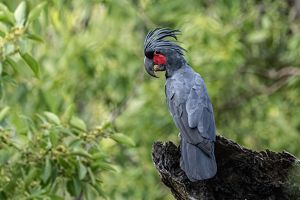
Palm Cockatoo (Probosciger aterrimus)
The Palm Cockatoo is one of Australia's most iconic tropical bird species and a flagship species for Cape York Peninsula.
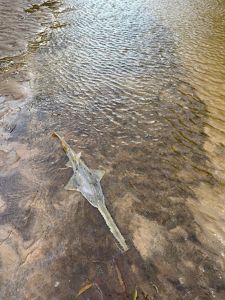
Freshwater Sawfish (Pristis pristis)
The Freshwater Sawfish is listed as Critically Endangered and northern Australia is considered one of the species' last global strongholds.
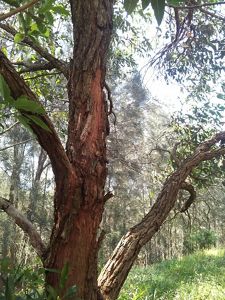
Swamp Mahogany Communities (Eucalyptus robusta)
Swamp Mahogany communities provide habitat for a diverse range of birds, mammals, reptiles and pollinators. These ecosystems contribute to water regulation, carbon storage and help maintain ecological integrity of Kendall River's freshwater landscapes.
The protection of large, connected landscapes is increasingly important as species respond to climate change and habitat fragmentation. By maintaining connectivity between ecosystems, Kendall River Station will contribute to the long-term resilience of nature across Cape York Peninsula.
Conservation through partnership: making protection possible
The acquisition of Kendall River Station (274,000 hectares), together with Cliffdale Station (165,923 hectares) and Westmoreland Station (90,000 hectares), represents one of the largest additions to Queensland's protected area estate in recent years.
The properties were secured through a collaborative investment model between the Queensland Government, the Commonwealth Government and The Nature Conservancy, supported by our philanthropic partners, the Wyss Foundation and Holdfast Collective, Patagonia's non-profit shareholder.
Delivering large-scale protection outcomes to achieve our 2030 goals
Increasing protection of under-represented ecosystems, protecting sites of high biodiversity value and strengthening connectivity between protected areas are among the key scientific principles underpinning successful conservation strategies. These principles are highlighted in the Pathways to 30x30 report and guide efforts to secure Australia's most important places for nature.
Together with Cliffdale and Westmoreland stations, protecting Kendall River helps secure more than half a million hectares of globally significant landscapes across northern Queensland, delivering one of Australia's largest recent conservation gains and creating new opportunities for Indigenous stewardship, biodiversity protection and landscape-scale resilience
Read more

Protecting a biodiversity stronghold in the Gulf Country
Cliffdale and Westmoreland Stations form a connected conservation landscape spanning more than 255,000 hectares in north-west Queensland.

Reef Builder: Restoring Australia's lost shellfish reefs
Reef Builder was a partnership between The Nature Conservancy (TNC) and the Australian Government and has supported Australia’s largest marine restoration initiative to date.

Become a Supporter
Addressing nature's biggest challenges depends on steady, reliable support from Conservation Champions like you.